
 By Editorial Team
Don’t fool yourself: a resbalón en un restaurante isn’t some minor incident. The health and legal consequences can be massive, for the person who fell and for the business itself. With recent changes to Ordenanza de Salud Pública de Georgia, Sección 290-5-14-.07 and new interpretations from the Corte de Apelaciones de Georgia, how these safety cases get handled is changing in a big way for 2026. Many restaurants simply aren’t ready to meet these new demands and protect their customers.
Key Takeaways
- Georgia’s 2026 amendment to Public Health Ordinance § 290-5-14-.07 now forces restaurants to document floor inspections every two hours during business hours to reduce slip-and-fall risks.
- Restaurant owners have to use a detailed log for floor cleaning and maintenance, complete with signatures and timestamps, to prove they’re doing their due diligence if an accident happens.
- Victims of a restaurant slip and fall now have a two-year window to file a personal injury lawsuit in Georgia, per O.C.G.A. § 9-3-33.
- Even with the new rules, recent case law from the Georgia Court of Appeals reinforces that plaintiffs must still prove the restaurant had actual or constructive knowledge of the hazard.
- To avoid legal liability, restaurants must train their staff on the new cleaning protocols, how to use warning signs, and how to respond immediately to spills.
Nuevas Exigencias en la Ordenanza de Salud Pública de Georgia: Sección 290-5-14-.07
Starting January 1, 2026, the game changes for restaurant seguridad thanks to stricter updates in the Ordenanza de Salud Pública de Georgia, Sección 290-5-14-.07, which covers food establishment cleanliness. The main update mandates a protocolo de inspección de pisos documentado for all food businesses. This means the old “clean as needed” approach is officially dead. Restaurants are now required to perform and log visual inspections of floors in high-traffic areas every two hours while they are open.
This is a significant shift. Before, the rule was vague, just saying floors had to be kept clean “at all times,” but proving diligence without a paper trail was tough. The new language in subpart (c)(2) is crystal clear: “Los pisos deben mantenerse limpios y en buen estado de reparación. Se implementará y mantendrá un programa de inspección de pisos documentado, con registros de inspección que detallen la fecha, hora y hallazgos, al menos cada dos (2) horas durante las horas de operación del establecimiento. Cualquier derrame o peligro identificado debe ser abordado y limpiado inmediatamente, con un registro del tiempo de resolución.” This completely overhauls how restaurants are supposed to prevent a resbalón en restaurante.
¿Resbalón y caída?
Sepa cuánto vale su caso con la Calculadora de Pagos para Caída por Resbalón con IA ¡GRATIS!
Iniciar mi evaluación gratisAnd let’s be clear, this isn’t a suggestion from the Agencia de Salud del Condado de Fulton. It’s a hard requirement. They’ve even issued guidelines recommending a standard log format that includes the inspecting employee’s signature and a timestamp. Failing to comply can lead to heavy fines, but even worse, it can become the centerpiece of a civil liability case if someone gets hurt on your property. You can find more on the health regulations at the Departamento de Salud Pública de Georgia website.
Impacto de la Jurisprudencia Reciente en Casos de Resbalones y Caídas
Even with this new ordinance, the case law from the Corte de Apelaciones de Georgia is still the bedrock for deciding resbalones y caídas cases. Back in 2025, the ruling in Smith v. Delicious Bites Corp. (370 Ga. App. 45, 2025) drove home the point about the owner needing conocimiento constructivo o real del peligro. So even though a restaurant now has to log its inspections, the person suing them still has the burden of proving the restaurant knew, or should have known, about the specific hazard that caused them to fall.
So while a missing inspection log is damning evidence of a restaurant’s negligence, it doesn’t hand the plaintiff an automatic win. The court will still look at whether the danger was obvious, if it was there long enough for staff to have reasonably found and fixed it, and if the victim was paying reasonable attention to where they were going. In the Smith case, the court decided that even though there was a spill, the plaintiff couldn’t prove the staff knew about it before the fall happened. The new ordinance helps a plaintiff show a pattern of poor maintenance, but it doesn’t erase the need to prove the restaurant knew about the specific danger.
It’s a tricky balance the courts are trying to strike. The law is pushing restaurants to be more proactive, but the courts still expect people to watch where they’re going. Look, no one expects a restaurant to be perfect, but they absolutely have to meet their seguridad obligations. The Corte Suprema de Georgia has always said that property owners aren’t insurers of their guests’ safety, but they do have a duty of ordinary care to keep the premises safe. That core principle comes from O.C.G.A. § 51-3-1, which outlines the general duty of property owners.
¿Quién se Ve Afectado por Estos Cambios?
These changes hit everyone from the kitchen staff to the dining public, but propietarios y gerentes de restaurantes in Georgia are on the front lines. They’re the ones responsible for creating and enforcing these new inspection and logging protocols. This is a vital strategy for legal compliance and risk mitigation to protect the business from expensive lawsuits. Staff training is everything here. Employees need to grasp why these checks are so important and exactly how to fill out the logs. A poorly kept or inconsistent log can be just as damaging in court as having no log at all.
For clientes y comensales, these changes are supposed to mean safer floors and a lower chance of a resbalón en restaurante. And if an accident *does* happen, the new regulations provide a clearer path for a personal injury claim. Those inspection records can be a key piece of evidence for proving the restaurant was negligent, although as we’ve said, you still have to establish they knew about the specific hazard.
Abogados especializados en lesiones personales will also change how they handle these claims. The first thing a lawyer’s going to ask for now is those inspection logs required by Section 290-5-14-.07. That request will become a standard part of discovery. This could actually move some cases along faster, making negligence easier to establish if the restaurant’s records are missing or a mess. But it also means lawyers have to keep digging into the “knowledge of the hazard” issue, not just point to a missed inspection.
Pasos Concretos para Restaurantes: Prevenir un Resbalón
For Georgia restaurants, getting up to speed with these new rules is a top priority. Here are the practical steps to take for compliance and better seguridad:
- Desarrollar un Programa de Inspección de Pisos Documentado: Create a simple, easy-to-use log sheet. It needs fields for the date, time, inspector’s name, areas checked, any hazards found (like spills), the time it was fixed, and a signature. Keep the forms simple. If it’s a pain to fill out, your staff won’t do it right.
- Capacitación del Personal Exhaustiva: Everyone from cooks to servers and managers needs training on why floor safety and the new logbook protocol matter. Teach them how to spot hazards, fill out the forms correctly, and respond instantly to spills. A simple water spill on a smooth floor is a lawsuit waiting to happen.
- Implementar un Calendario de Inspección Riguroso: Make sure inspections are happening every two hours, without fail, during all operating hours. You might want to assign specific employees to this task each shift to ensure it gets done. A checklist or a designated supervisor can keep everyone on track.
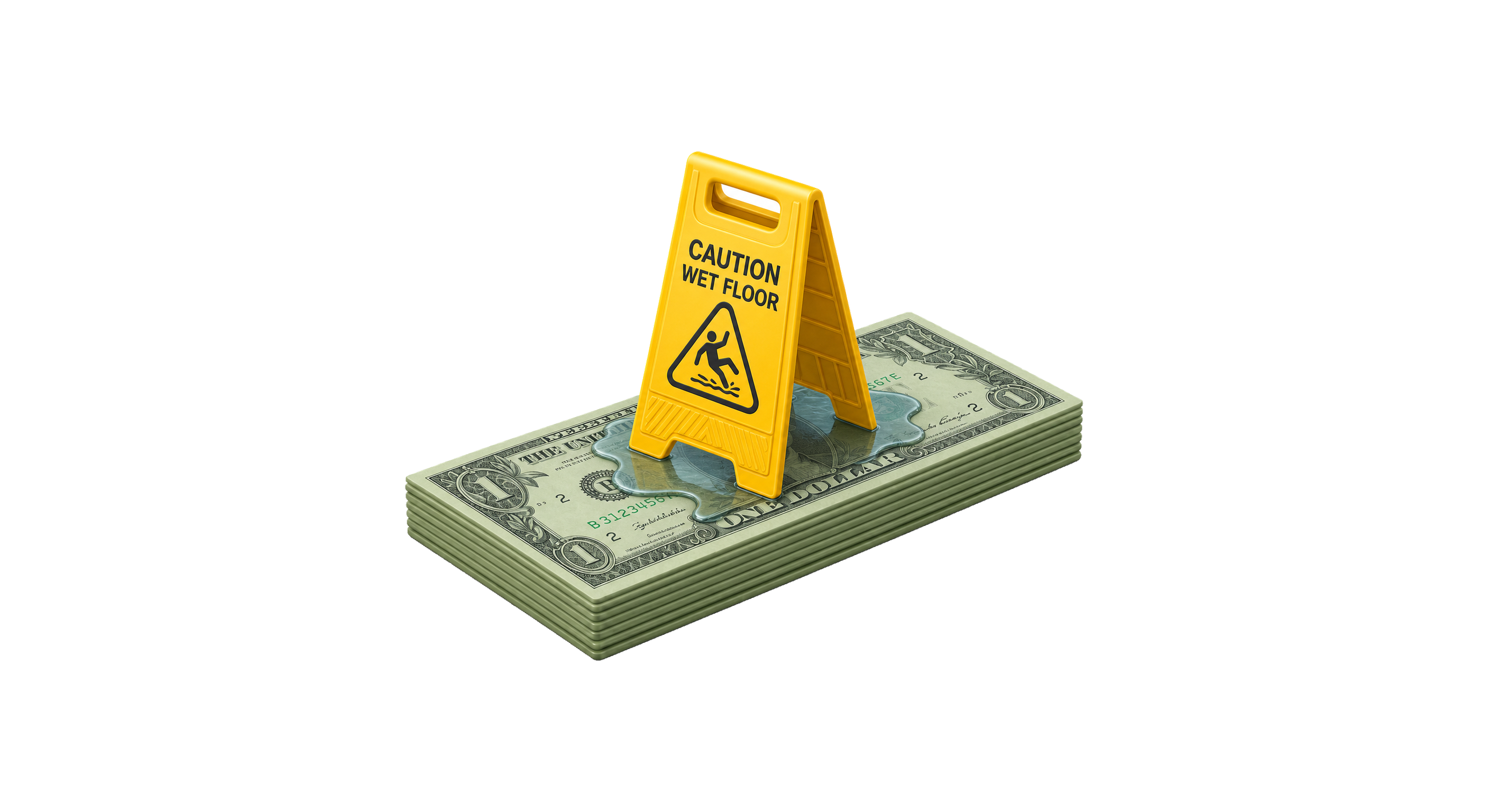
- Uso de Señalización Adecuada: Always use “Piso Mojado” signs during and after cleaning or when there’s a spill. Putting up these signs does two things: it warns customers, and it shows you’re taking reasonable steps to address a known hazard.
- Mantenimiento Regular de los Pisos: Keep your floors in good repair. Cracked tiles, bunched-up rugs, or uneven surfaces are all trip hazards that need to be fixed immediately. Proactive maintenance is the best defense against a resbalón en restaurante.
- Revisión Periódica de los Registros: Managers should review the logs regularly. This helps you spot patterns, make sure people are actually doing it, and fix recurring problems. It also creates a paper trail proving your system is actually being used.
Beyond just avoiding lawsuits, this is about basic care for your customers and employees. A restaurant that’s serious about safety builds trust, which is good for business. For more on workplace safety laws, the federal Administración de Seguridad y Salud Ocupacional (OSHA) has good resources that supplement these state-level regulations.
¿Qué Hacer si Sufre un Resbalón en un Restaurante?
If you or someone you’re with has a resbalón en un restaurante in Georgia, you need to take immediate steps to protect your rights. First, busque atención médica. Even if you think you’re fine, get checked out. Your health comes first, but getting checked out also starts the official medical record of your injuries, which is non-negotiable for a claim.
Second, documente la escena. If it’s safe, take photos of exactly where you fell. Get pictures of the spill, the lack of a warning sign, or whatever else caused the accident. Note the time and date. Get contact info from any witnesses. Every detail matters.
Third, notifique al personal del restaurante about what happened right away. Insist that they create an official incident report and ask for a copy. When you report it, stick to the facts of what happened. Don’t apologize or say anything that suggests it was your fault. This isn’t the time for pleasantries. It’s for documentation.
Finally, consulte con un abogado especializado en lesiones personales as soon as you can. In Georgia, the statute of limitations is generally two years from the date of the incident under O.C.G.A. § 9-3-33. An attorney can explain your rights, investigate what happened, gather evidence (like the restaurant’s new inspection logs), and deal with their insurance company. Remember, their insurance company’s job is to protect them, not to help you.
The new regulations and existing case law make resbalones y caídas cases more complex than they seem. An attorney who knows Georgia’s premises liability laws and understands how to navigate the court system is essential. Compensation for medical bills, lost wages, and pain and suffering can be significant, and you need a professional to fight for what you’re owed.
¿Cuál es el cambio principal en la Ordenanza de Salud Pública de Georgia para restaurantes en 2026?
The main change is a new rule requiring restaurants to keep documented logs of floor inspections, which must be done at least every two hours while they’re open. Any spills or hazards found must be fixed and noted immediately.
¿Cómo afecta la jurisprudencia reciente a los casos de resbalones y caídas a pesar de las nuevas regulaciones?
Even with the new rules, courts still follow precedents like Smith v. Delicious Bites Corp. This means the person who fell still has to prove the restaurant actually knew, or should have known, about the specific dangerous condition that caused the fall.
¿Qué debo hacer inmediatamente después de sufrir un resbalón en un restaurante en Georgia?
First, get medical help. Then, if you can, take pictures of the hazard. Report the fall to the manager and make sure they file an incident report. Finally, call a personal injury lawyer right away.
¿Cuánto tiempo tengo para presentar una demanda por lesiones personales en Georgia después de un resbalón?
In Georgia, you typically have two years from the date of the fall to file a personal injury lawsuit, according to O.C.G.A. Section 9-3-33.
¿Qué medidas concretas pueden tomar los restaurantes para cumplir con las nuevas normas de seguridad?
They need to create a formal floor inspection log, train all staff on it, stick to a strict every-two-hours inspection schedule, use wet floor signs, fix any damaged flooring, and have managers regularly review the logs.
Bottom line: Georgia’s new seguridad regulations put the burden squarely on restaurants to be proactive about floor safety. For owners, that means implementing these logbook protocols without fail and training staff constantly. For customers, it means knowing your rights and acting fast after an incident. Don’t underestimate what happened. How you respond in the moments after a fall can change the entire outcome.


